Diffio AI Blog
Notes from the team building Diffio: how speech generation and restoration models work, how we serve them on Apple silicon, and historic recordings we have restored with the original beside every result.
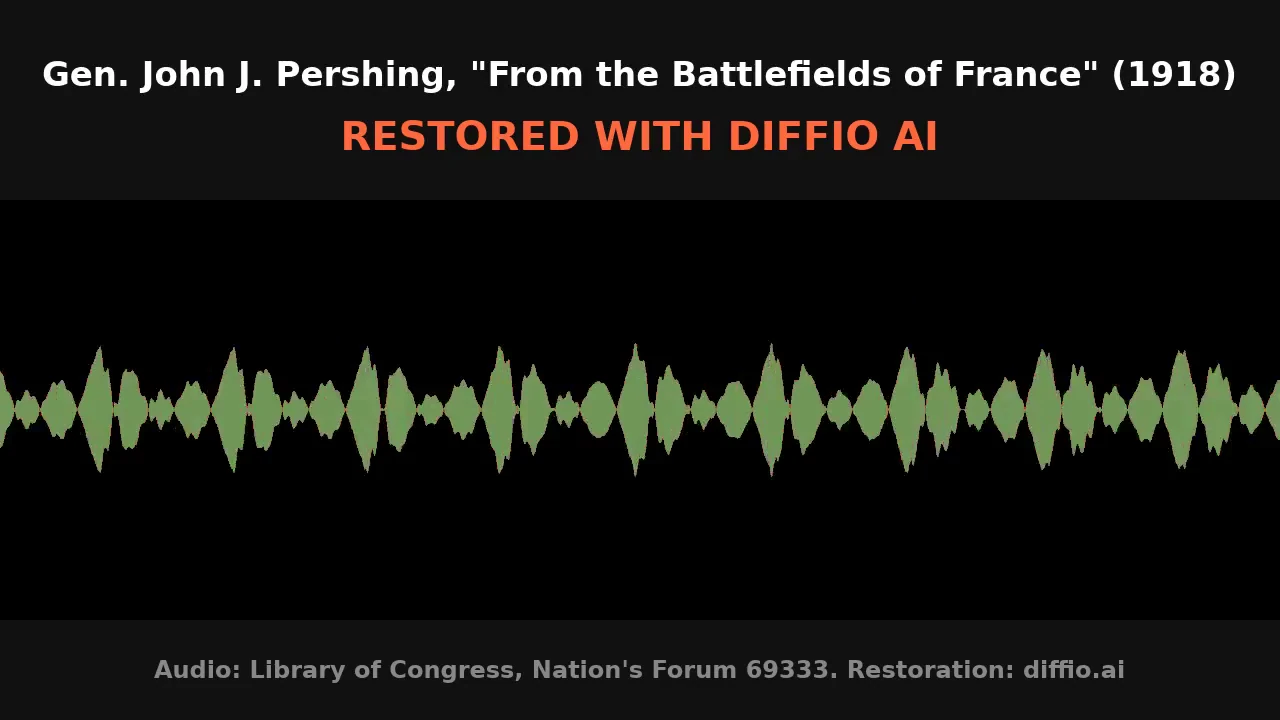
Hear General Pershing's 1918 message from the battlefields of France, restored
A 33-second disc General John J. Pershing recorded in France in March 1918, restored for Veterans Day, with the original alongside.
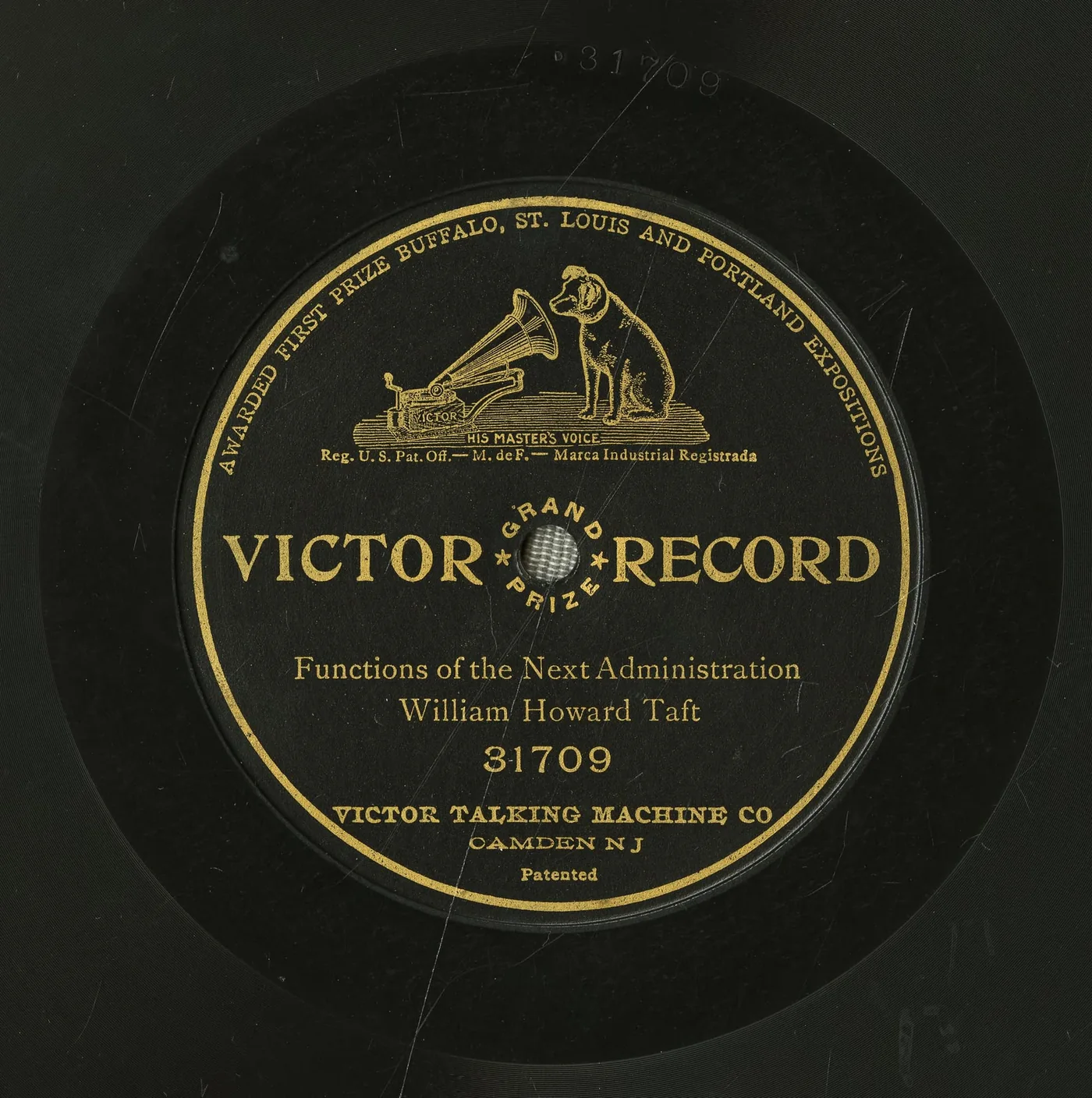
Hear six early presidents in their own voices, restored (1908-1922)
Taft in 1908, Roosevelt, Wilson and Taft in 1912, Coolidge and FDR in 1920, Harding in 1921: public domain phonograph speeches, each original next to its restoration.
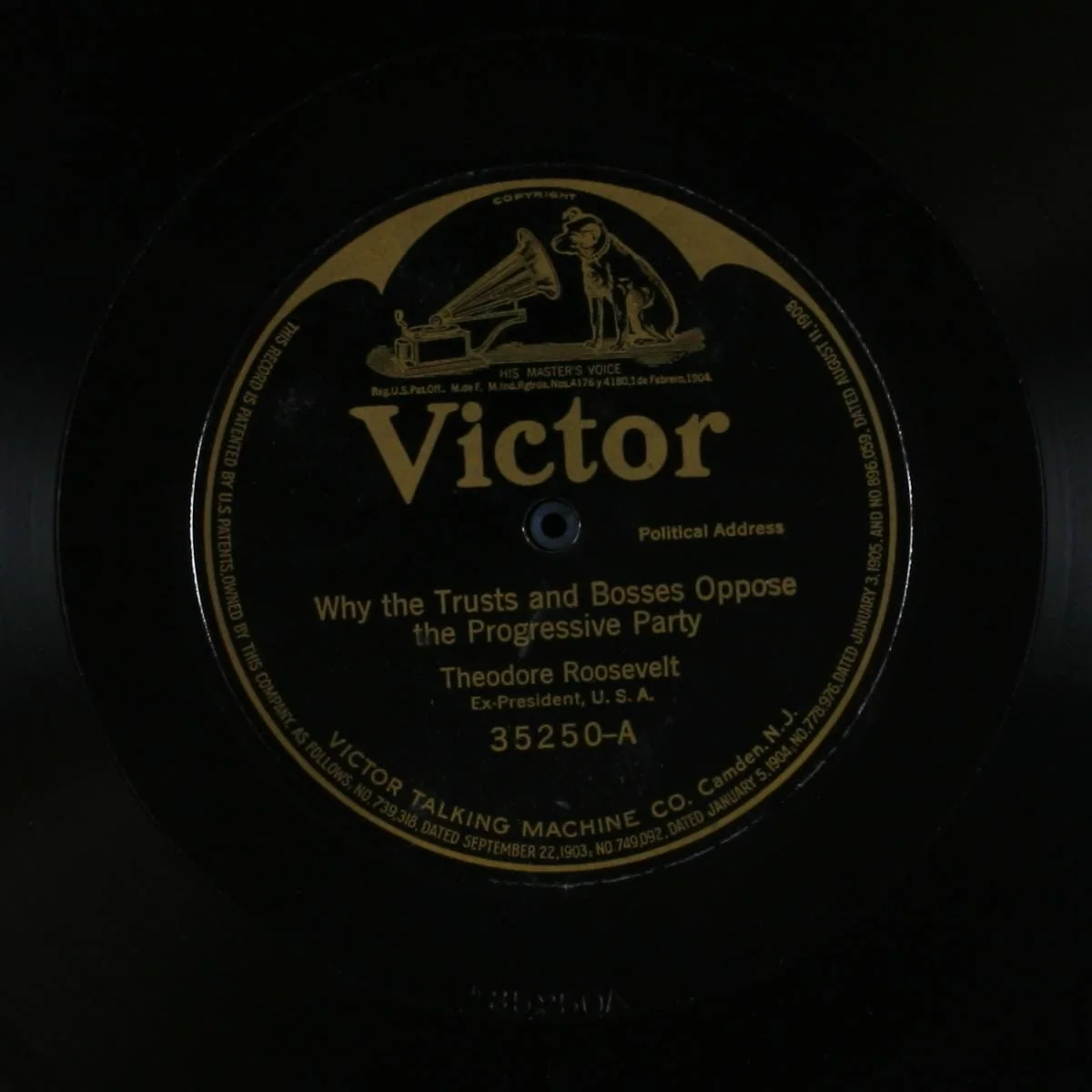
Hear the 1912 election in the candidates' own voices, restored
Theodore Roosevelt, Woodrow Wilson and William Howard Taft recorded their 1912 campaign speeches for Victor. Hear the Library of Congress discs before and after restoration with Diffio AI.
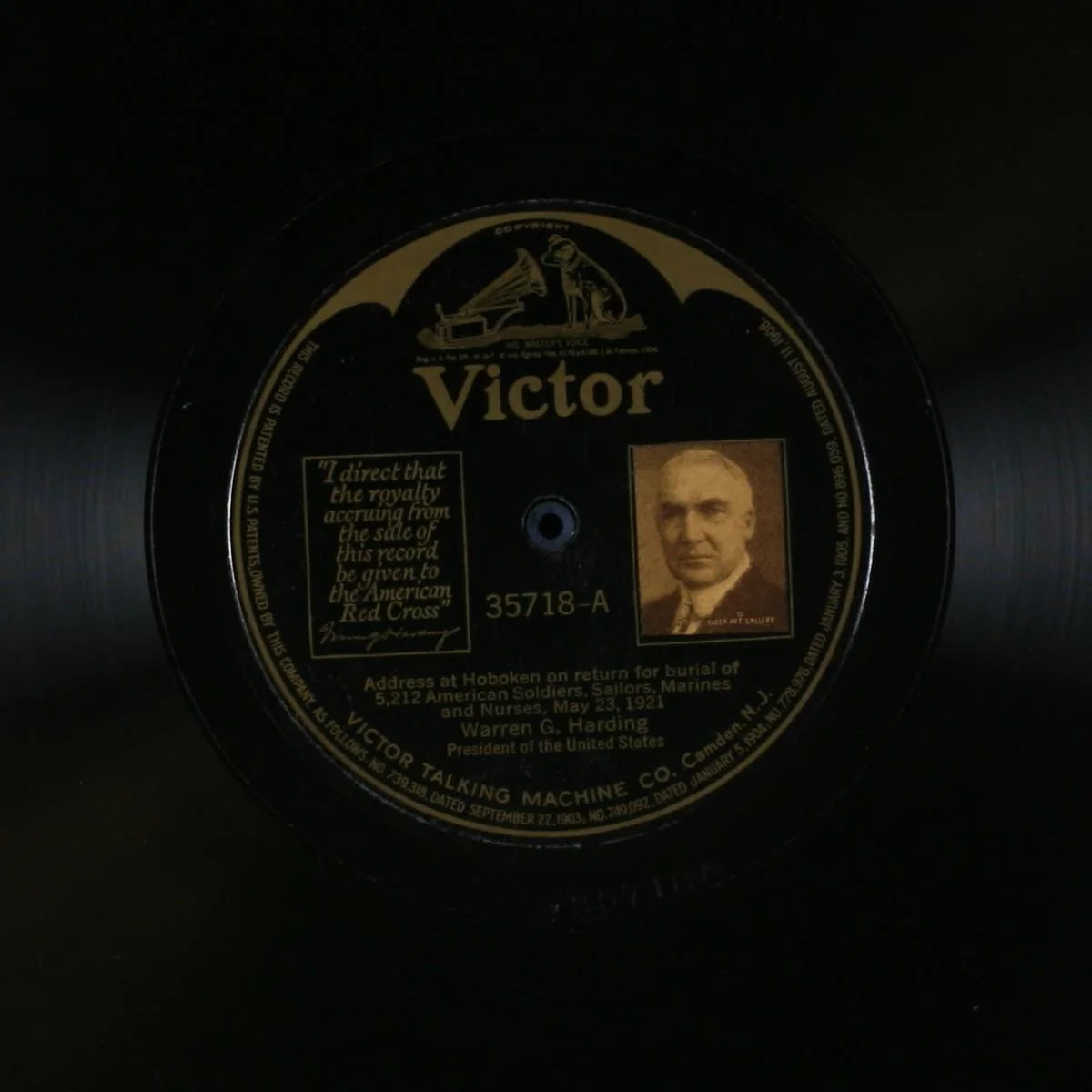
Hear Warren G. Harding's 1921 Hoboken address for the WWI dead, restored
Warren G. Harding's 1922 recording of his Hoboken address for 5,212 American war dead, before and after restoration with Diffio AI. Public domain audio, free for press and classroom use.
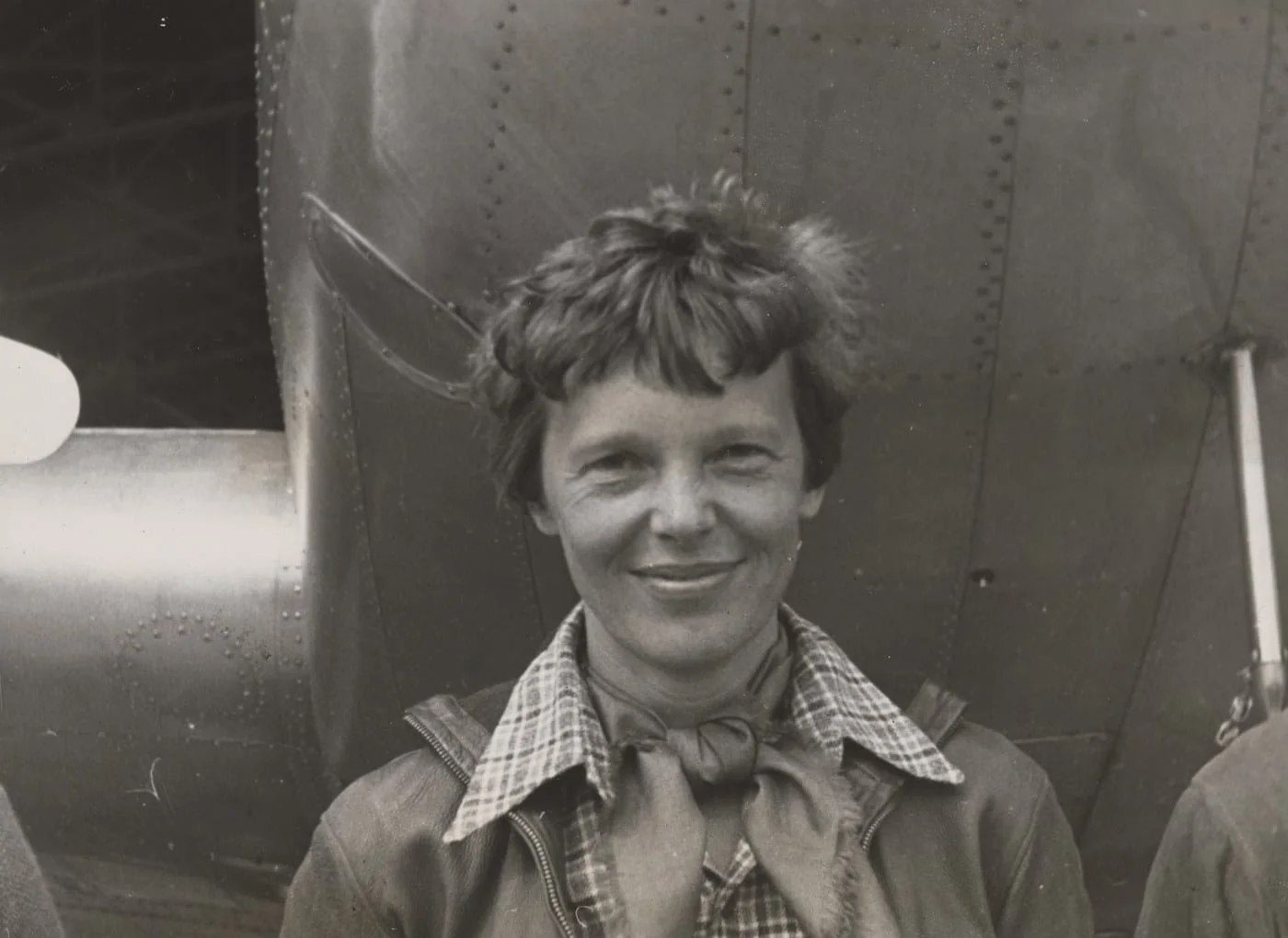
Hear Amelia Earhart's 1935 broadcast, restored
The original 1935 radio broadcast and the Diffio restoration side by side, with press and classroom use details.
Overlapping I/O With Inference Around One Shared Model, Not Batching, Raised Mac Mini Throughput on I/O-Bound Restores
How Diffio raised Mac mini throughput on I/O-bound speech restores by overlapping downloads, encoding and uploads with inference around one shared model, rather than batching.
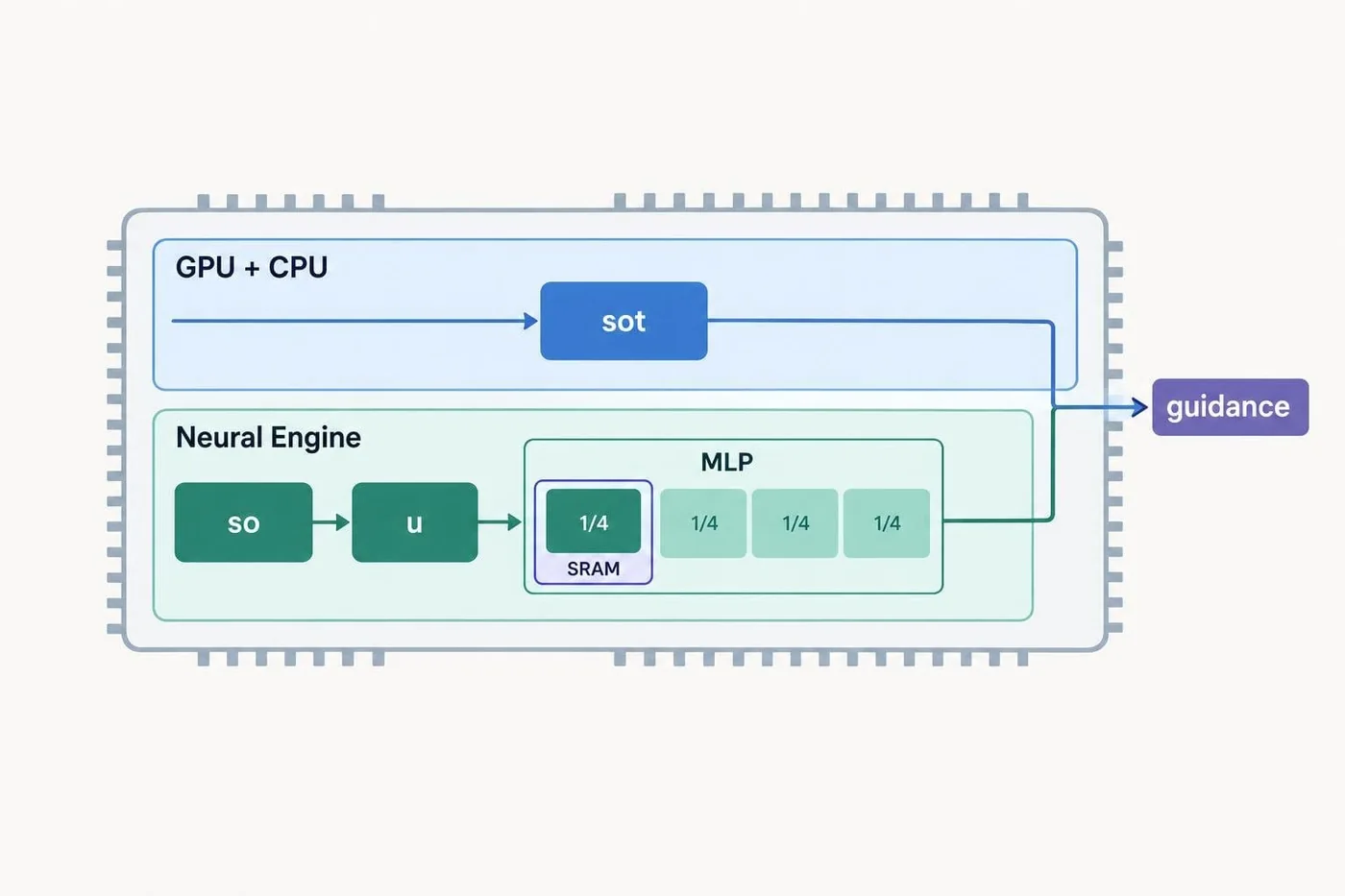
Partitioning MLPs Along the Intermediate Dimension Let the Apple Neural Engine Run Two of Three Guidance Branches
How Diffio 4.0 reached 7.8x (pro) and 10.7x (flash) realtime on an M4 Pro Mac mini by splitting guidance branches across the GPU, the CPU's SME units and the Neural Engine, and what memory, precision and scheduling taught us.
Smaller Model State Did Not Establish Faster Cold Requests for Diffio on Modal
What Diffio’s Modal experiments revealed about GPU snapshots, initialization, quantization, CUDA graphs, transcription dependencies, and cold-request latency.
TTS Models: Sampled Acoustic Representations Set the Generator Constraints
A map of modern text-to-speech systems by the representation their generators sample: codec tokens, mel frames, semantic-acoustic cascades, continuous latents, and hybrid frames.
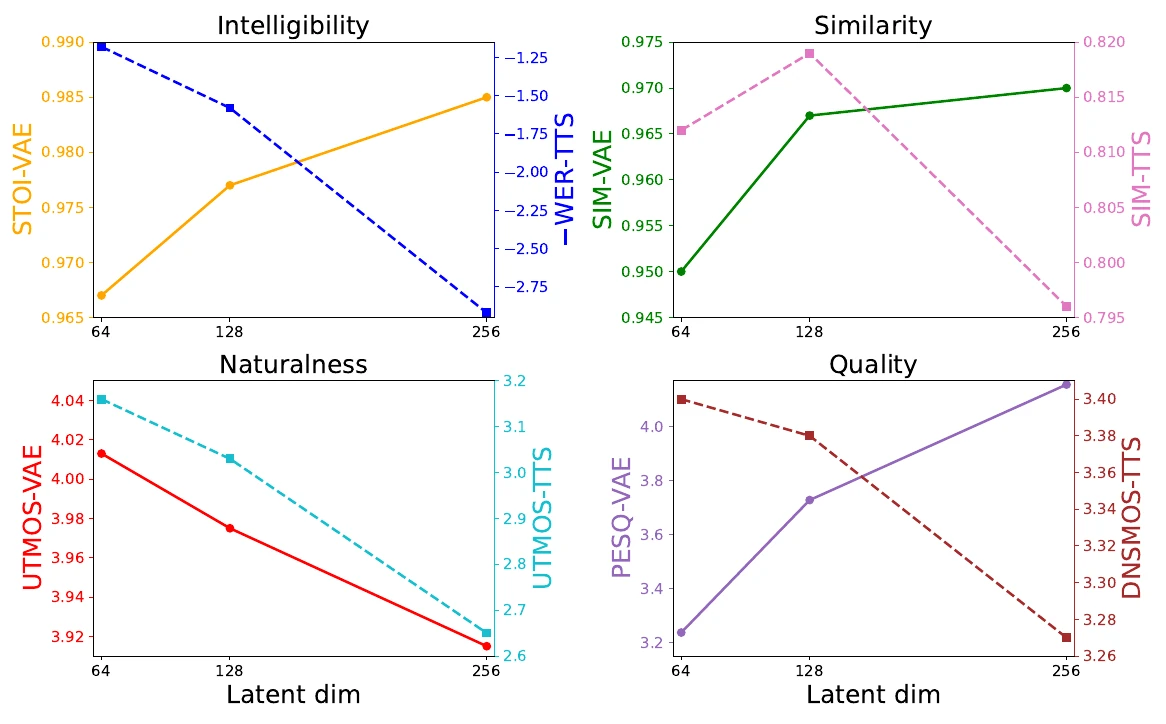
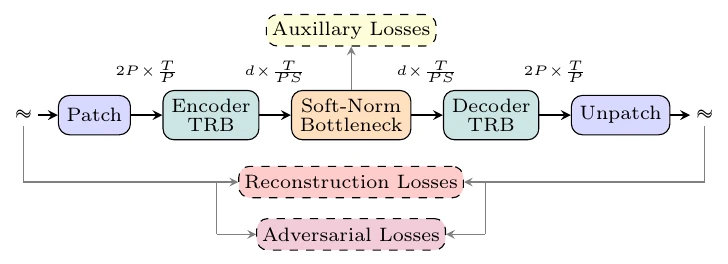
Latent Audio Encoders: Reconstruction Sets the Ceiling, Not the Ranking
Why an audio autoencoder's reconstruction quality sets the ceiling for the generator trained on its latents, but does not decide which latent space ranks best.
SAME Makes Generation Difficulty an Autoencoder Training Loss
Stability AI's SAME autoencoder, the latent space Stable Audio 3 generates in, makes generation difficulty part of the autoencoder's training loss.
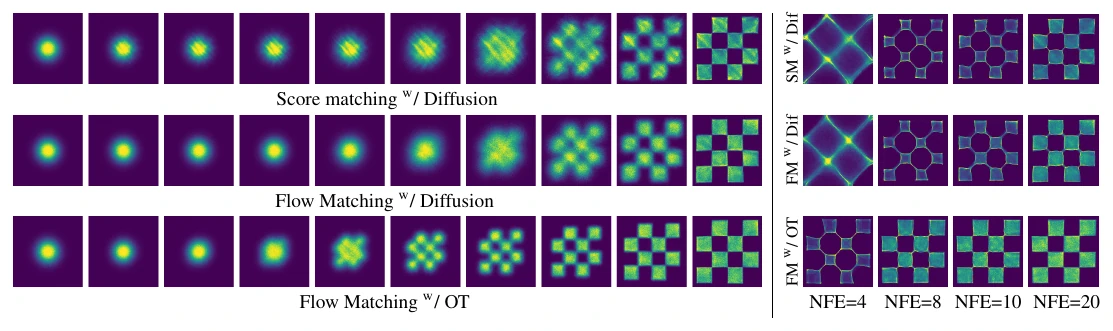
Flow Matching: Regress the Field the Sampler Integrates
Flow matching trains a generator by regressing the velocity field its ODE sampler integrates: conditional targets, the optimal-transport path, and why it trains robustly.
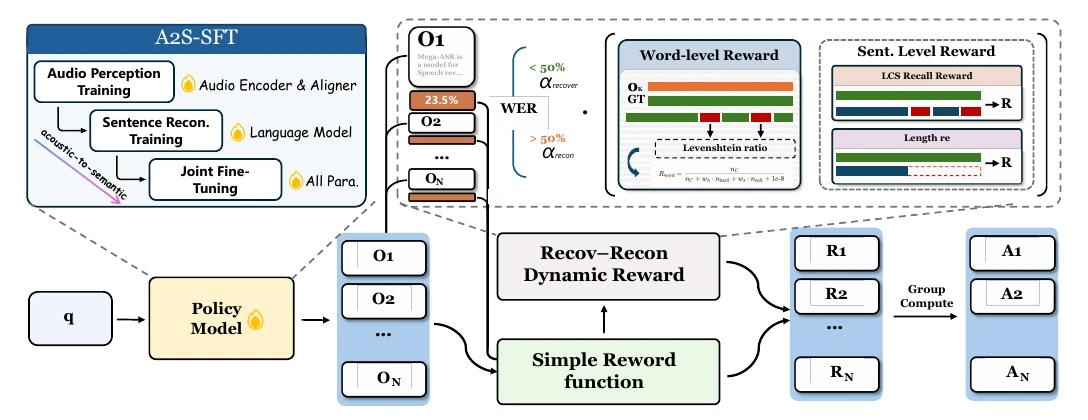
Mega-ASR: Group-Relative RL Needs a Reward That Ranks Failed Transcripts
Mega-ASR makes Qwen3-ASR robust to degraded, in-the-wild audio with group-relative RL. Why that recipe needs a reward that can rank failed transcripts.
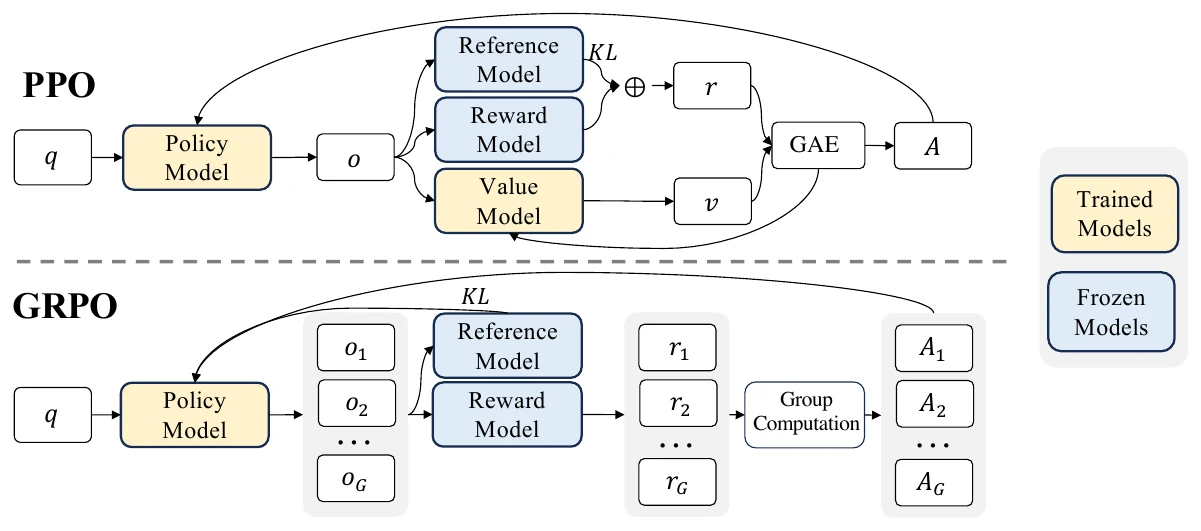
GRPO and DAPO: Within-Group Reward Dispersion Gates the Learning Signal
GRPO and DAPO, the RL recipes for post-training LLMs against verifiable rewards, and why within-group reward dispersion gates the learning signal.
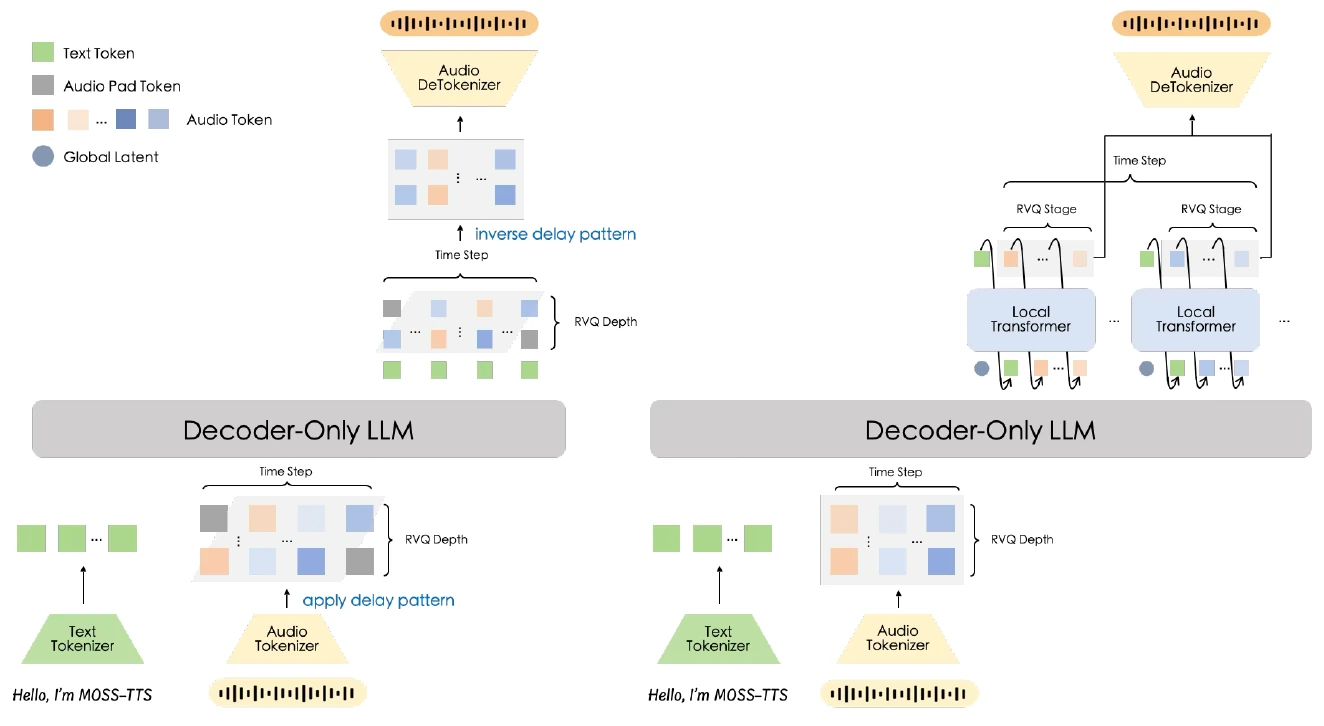
MOSS-TTS Shows Local RVQ Conditioning Can Beat Delay Modeling
MOSS-TTS, a fully discrete text-to-speech system, shows that conditioning RVQ codec layers locally can beat the delay pattern for predicting multi-codebook audio tokens.
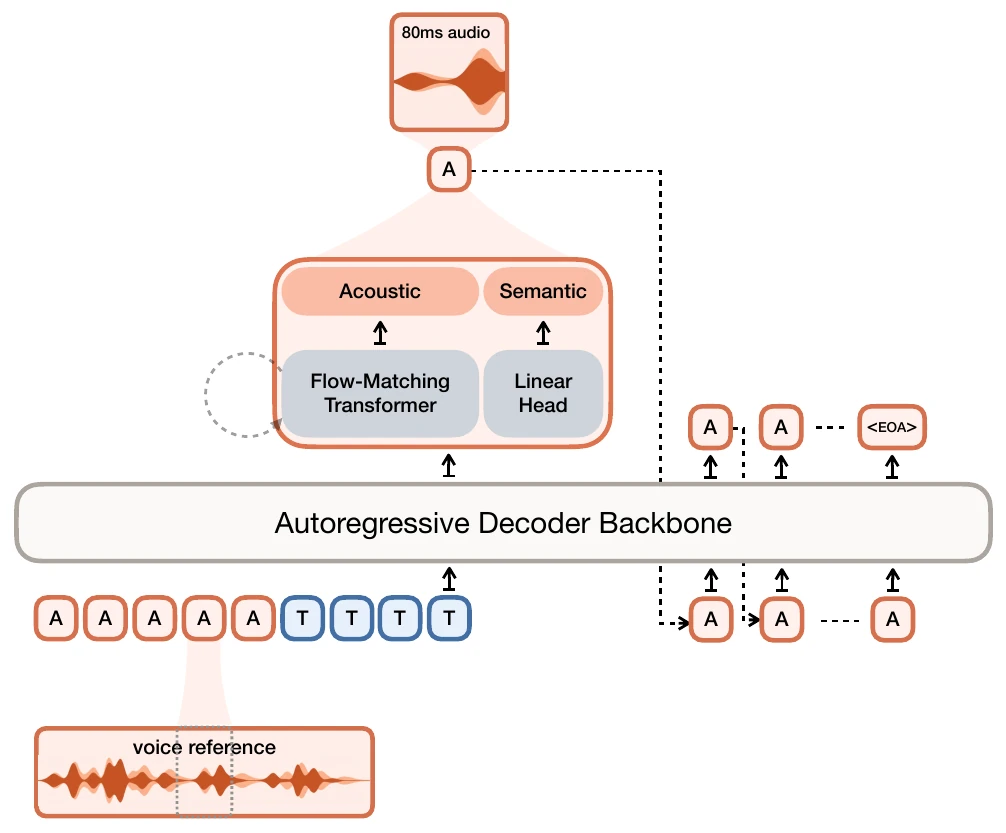
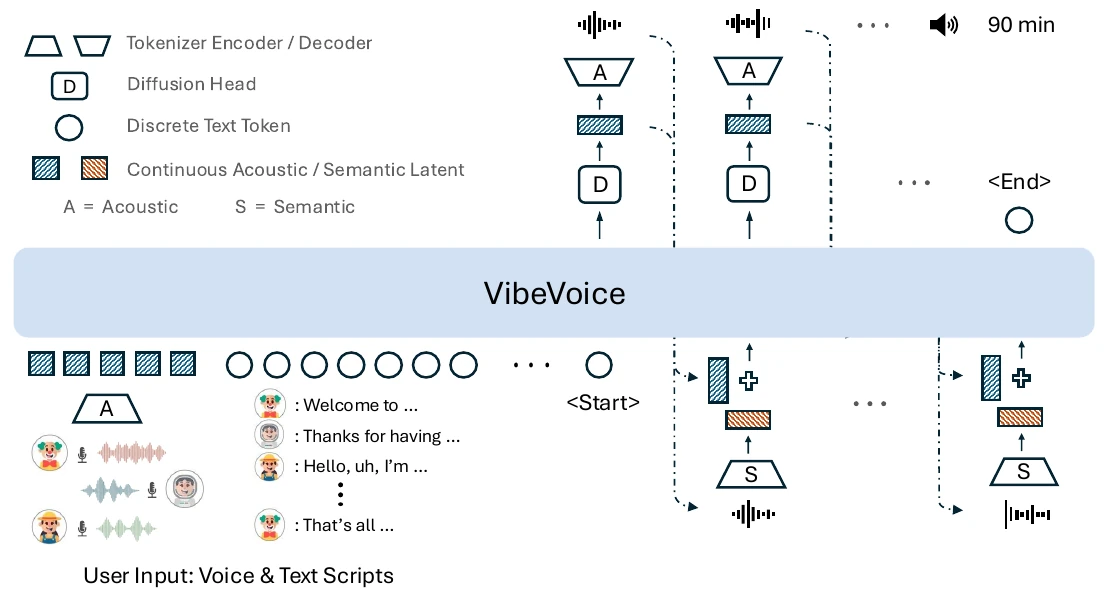
VibeVoice: Frame Rate Is the Context Budget for Long-Form TTS
VibeVoice is Microsoft Research's open-weights system for zero-shot, multi-speaker, long-form speech synthesis: give it a short voice sample per speaker and a script, and a Qwen2.5 backbone generates podcast-style conversation, turn-taking and breaths included, in one streaming left-to-right pass.
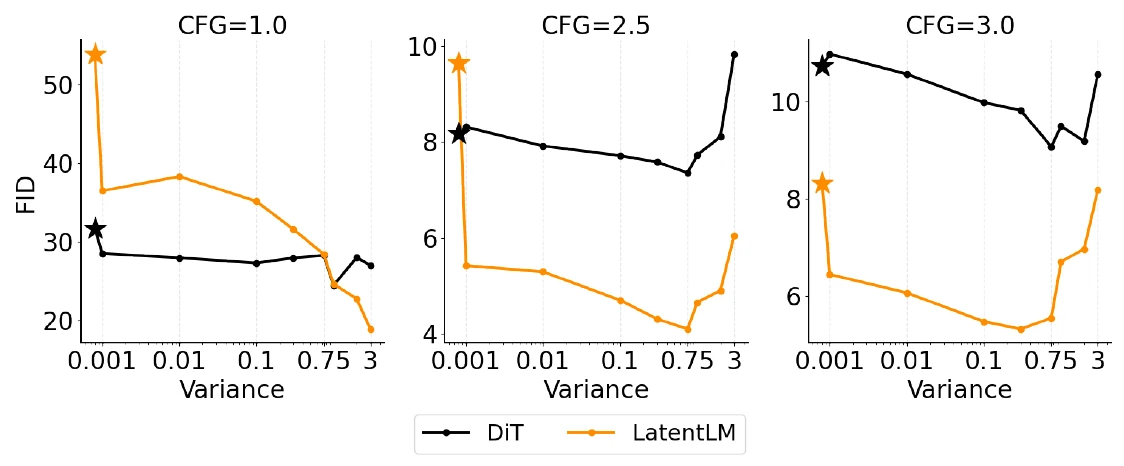
Exposure Bias: Corrupt the Context, Keep the Target Correct
Exposure bias is the mismatch between teacher-forced training and free-running inference in autoregressive models. The fix: corrupt the context, keep the target correct.
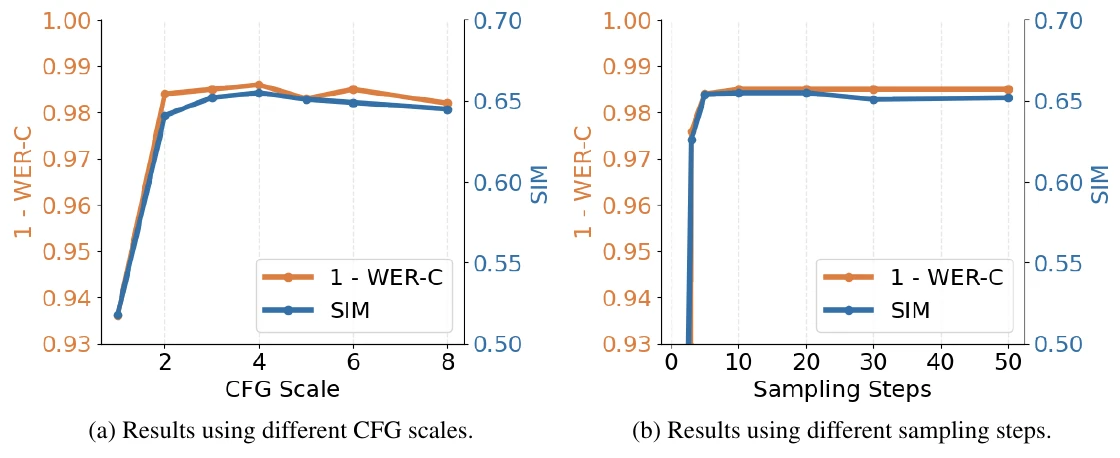
Classifier-Free Guidance: The Guidance Scale Is an Exponent on an Implicit Classifier
Classifier-free guidance trains one network with condition dropout and extrapolates between its conditional and unconditional predictions. The guidance scale is an exponent on an implicit classifier.